



Your roof is leaking. Water is dripping onto your ceiling, your floors, your furniture. It is stressful — but acting quickly and calmly in the first hour can prevent thousands of euros in damage. This guide walks you through exactly what to do, step by step, from the moment you spot the first drip to getting a permanent, professional repair.
Step 1 — Contain the Water Immediately
The first priority is to stop water from spreading. Place buckets, basins, or any available containers directly under active drips. If water is running along a ceiling or wall, position containers where it is collecting, not just where it is dripping.
Lay towels or plastic sheeting on the floor around the affected area to protect flooring, carpets, and rugs. If a section of ceiling is visibly bulging or sagging with trapped water, carefully puncture the lowest point with a screwdriver over a bucket. This controlled release prevents the ceiling from collapsing under the weight, which would cause far more damage.
Move furniture, electronics, and valuables away from the leak zone. Even items that appear dry should be relocated — water travels unpredictably once it enters a building, and the drip point can shift as conditions change.
Step 2 — Protect Your Electrics
Water and electricity are a dangerous combination. If water is dripping near light fittings, electrical sockets, or any wiring, switch off the affected circuit at your fuse board immediately. Do not attempt to unplug or touch any electrical equipment that is in contact with water.
If you are unsure which circuit to isolate, switch off the mains supply entirely. Your safety is more important than convenience. Once the leak is under control and a professional has assessed the area, an electrician can confirm it is safe to restore power.
Step 3 — Document the Damage
Before you clean up or move anything else, take photographs and video of the leak, the water damage, and any belongings that have been affected. Capture wide shots showing the extent of the damage and close-ups of specific items.
Note the date, time, and weather conditions — this information is essential for insurance claims. If you purchase any emergency materials such as tarpaulins, buckets, or sealant tape, keep the receipts. Insurers will typically reimburse reasonable emergency expenses, but only with proof of purchase.
Thorough documentation now saves significant time and frustration later. A few minutes of recording can be the difference between a successful claim and a disputed one.
Step 4 — Apply a Temporary Fix (If Safe)
If conditions allow, a temporary measure can slow or stop the water ingress while you wait for professional help.
From outside: Place a tarpaulin over the suspected leak area and weigh it down with heavy objects. Ensure it extends well beyond the damaged section so water cannot run underneath. Never climb onto a wet, icy, or damaged roof — falls from height are one of the most common causes of serious injury in Ireland. If the roof is not safely accessible from a ladder, leave it for a professional.
From inside: Apply roofing tape or a temporary sealant to visible cracks or gaps in accessible areas such as a garage, extension, or loft space. Press firmly and ensure the surface is as dry as possible before applying.
These are stopgap measures only. They buy you time — not a solution. A temporary patch will not survive prolonged rain, and the underlying damage continues to worsen behind it.
Step 5 — Call a Professional Roofer
A temporary patch is not a repair. The underlying cause of the leak must be diagnosed and fixed properly, or the problem will return — often worse than before.
When choosing an emergency roofer, look for same-day or next-day response, a free initial inspection, use of BBA-certified materials, and a written warranty on completed work. Our roof leak repair in Dublin service provides same-day emergency response across Ireland, with no call-out charges and no obligation.
Dublin homeowners can book a same-day roof leak inspection directly — we will assess the damage, explain what is needed, and provide a clear, fixed-price quote before any work begins.
Be cautious of so-called “storm chasers” — unlicensed operators who appear after bad weather offering cheap, quick fixes. These repairs rarely last, often void existing warranties, and can make the problem significantly worse. Always verify credentials, check reviews, and insist on a written quote.
What NOT to Do When Your Roof Leaks
Knowing what to avoid is just as important as knowing what to do. These common mistakes can turn a manageable repair into a major expense:
- Do not ignore it. Small leaks become big problems within weeks. Water damage compounds rapidly — what costs a few hundred euros to fix today could cost thousands next month. Read more about why you should not delay roof repairs.
- Do not apply silicone sealant as a “permanent” fix. Silicone masks the problem temporarily while moisture continues to damage the structure behind it. When the sealant eventually fails, the damage underneath is far worse.
- Do not climb onto the roof in wet, windy, or dark conditions. No repair is worth a serious fall. Wait for safe conditions or call a professional with the proper equipment and training.
- Do not pressure-wash the roof to “find” the leak. High-pressure water forces moisture into areas that were previously dry, creating new entry points and compounding the damage.
- Do not assume the leak is directly above the water stain. Water travels along timber joists, membranes, and pipework before dripping down. The actual roof defect may be metres away from where the stain appears on your ceiling.
How Professionals Fix Roof Leaks Permanently
A lasting roof leak repair follows a proven process that addresses the root cause, not just the visible symptom.
Inspection: A qualified roofer examines the entire roof surface, not just the area above the stain. The goal is to identify every point of failure — cracked membranes, deteriorated flashing, ponding water, failed seals around penetrations.
Preparation: The affected area is cleaned, dried, and reinforced. Loose material is removed, surfaces are primed, and any structural damage to decking or timbers is addressed before waterproofing begins.
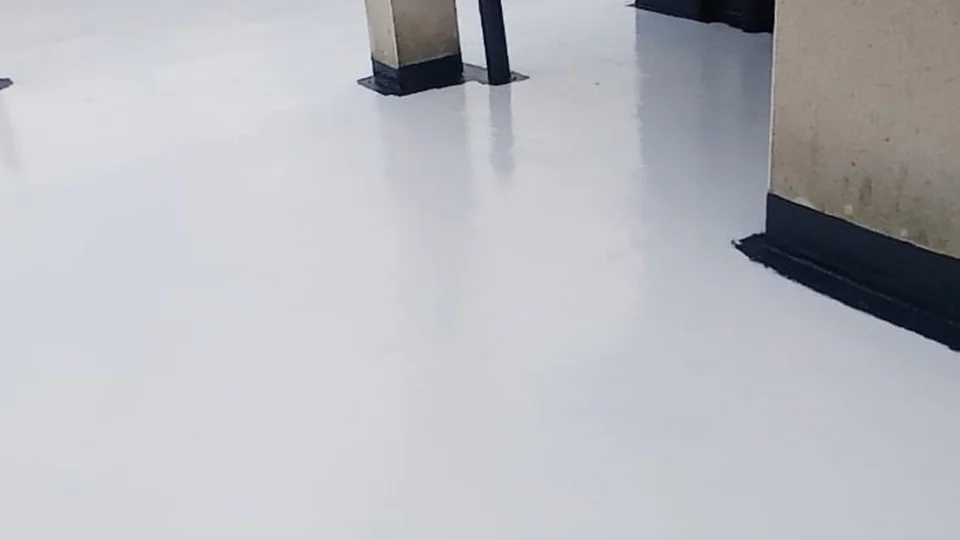
Application: A liquid-applied waterproofing system bonds seamlessly to the existing roof surface, forming a continuous, jointless membrane. There is no tear-off, no skip hire, and minimal disruption to your household or business. The LAVA 20 waterproofing system is specifically engineered for the Irish climate, delivering long-term protection against persistent rain, temperature fluctuations, and UV exposure.
Result: A permanent, warranted repair — with protection for up to 25 years. No more buckets, no more stains, no more worrying every time it rains.
When to File an Insurance Claim
Storm damage and sudden leaks caused by specific weather events are typically covered by standard home insurance policies in Ireland. If a storm has displaced slates, torn flashing, or caused immediate water ingress, you are likely covered.
However, gradual deterioration — wear and tear, ageing membranes, blocked gutters that have been neglected — is usually excluded from cover. Insurers distinguish between sudden damage and deferred maintenance, and claims for the latter are routinely rejected.
Contact your insurer within 48 hours of discovering the leak. The documentation you gathered in Step 3 — photographs, video, dates, and receipts — is critical for a successful claim. A professional roof inspection report strengthens your case further, providing an independent assessment of the cause and extent of damage.
Roof Leaking Right Now?
Don’t wait for the damage to spread. Our emergency team provides same-day roof leak inspection and repair across Ireland. BBA-certified systems. Up to 25-year warranty.
Call us now for emergency assistance.

